
Post-Op Recovery
You’ve Invested in Your Surgery. Now Invest in Your Recovery.
Why Post-Surgical Manual Lymphatic Drainage Should Be Part of Your Recovery Plan
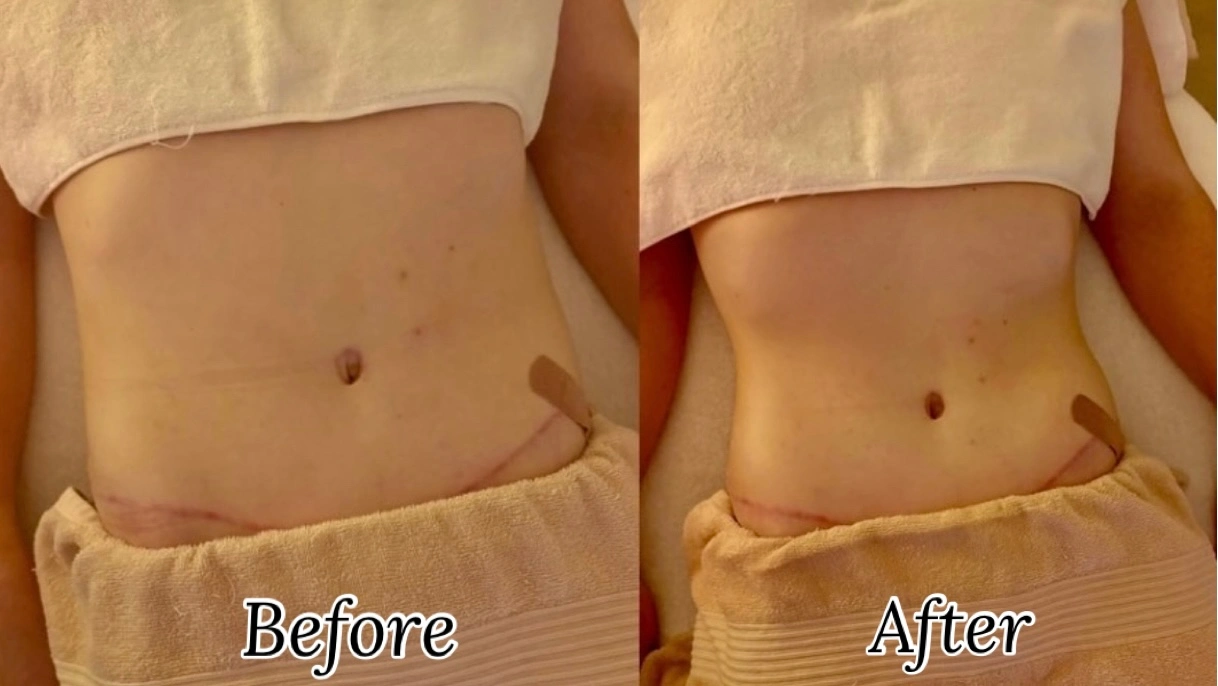
When it comes to surgery, particularly elective or cosmetic procedures, so much time, thought and money goes into choosing the right surgeon, researching the procedure and preparing for the final result.
But what happens after surgery?
There’s a saying I often share: Your surgeon does 40% of the work, and the remaining 60% comes down to your recovery.
While these percentages aren’t a medical formula, the message behind them is important. Your surgeon performs the procedure, but the way you care for your body throughout recovery can influence your comfort, healing experience and overall outcome.
Surgery is only one part of the journey. Recovery deserves just as much attention.
What Happens to Your Lymphatic System After Surgery?
Any surgical procedure causes a degree of trauma to the body’s tissues. This is a normal and unavoidable part of surgery.
During a procedure, blood vessels, lymphatic vessels, connective tissue and sometimes nerves are disrupted. Your body responds by initiating inflammation, which is an essential part of the healing process.
However, this response can also lead to:
- Swelling and fluid accumulation
- Tightness and discomfort
- A feeling of heaviness or pressure
- Reduced mobility
- Temporary changes in skin sensation
- Bruising and tissue sensitivity
Your lymphatic system plays an important role in managing excess fluid within the tissues, transporting immune cells and returning fluid to your bloodstream.
Unlike your cardiovascular system, which has the heart to pump blood, your lymphatic system relies on a combination of lymphatic vessel contractions, breathing, muscle movement and pressure changes to assist lymph flow.
Following surgery, this process can be temporarily affected by inflammation, tissue disruption and reduced movement.
This is where appropriately performed post-operative Manual Lymphatic Drainage may be beneficial.
How Can Post-Operative Manual Lymphatic Drainage Assist Recovery?
Manual Lymphatic Drainage, commonly known as MLD, is a specialised, gentle hands-on technique designed to encourage the movement of lymphatic fluid.
Unlike traditional massage, MLD does not involve deep pressure, forceful kneading or aggressive manipulation of the tissues.
In a post-surgical setting, appropriately adapted MLD may help with:
1. Managing post-operative swelling
Swelling is a natural response to surgery, but excessive or persistent fluid accumulation can leave you feeling uncomfortable, heavy and restricted.
Gentle lymphatic techniques may assist fluid movement and help manage swelling in suitable patients.
2. Improving comfort
Following surgery, the skin and surrounding tissues can feel stretched, tender and tight.
MLD uses gentle, rhythmic movements that may help ease discomfort associated with swelling, without placing unnecessary pressure on healing tissue.
3. Supporting gentle movement and mobility
When swelling and tightness are reduced, some clients find everyday movement more comfortable.
This can be particularly helpful when returning gradually to normal activities in accordance with their surgeon’s instructions.
4. Encouraging relaxation
Surgery can be physically and emotionally demanding. The gentle nature of MLD can provide a calming experience during a time when the body is under significant stress.
5. Supporting your overall recovery plan
MLD may be a useful complementary treatment alongside your surgeon’s recommendations, appropriate compression garments, nutrition, hydration, rest and gentle movement.
It’s important to understand that MLD is not a guaranteed way to speed healing, prevent complications or improve the final cosmetic result. Its benefits depend on the procedure, your individual circumstances and the stage of recovery.
Not All Lymphatic Drainage Massage Is the Same
This is something I cannot emphasise enough: post-operative MLD requires specific training and clinical understanding.
A therapist may be trained in general Manual Lymphatic Drainage without necessarily having the additional knowledge required to treat someone recovering from surgery.
After surgery, the tissues are not in their usual state.
Incisions interrupt layers of skin and connective tissue. Lymphatic drainage pathways may be temporarily altered. Areas can be inflamed, sensitive, bruised or numb, and the strength of healing tissue changes over time.
This means the treatment must be adapted to the individual, the procedure performed and the stage of healing.
A therapist trained in post-operative MLD should understand:
- The stages of wound healing and tissue repair
- How surgical incisions and tissue disruption affect treatment
- When to avoid direct contact with healing areas
- Appropriate pressure, positioning and treatment pathways
- Post-operative swelling and potential complications
- Contraindications and when medical clearance is required
- When a client should be referred back to their surgeon or medical team
More pressure does not mean better results.
In fact, aggressive massage or inappropriate techniques on recently operated tissue may cause unnecessary discomfort or interfere with healing.
Early post-operative care is not the time for deep tissue massage, forceful manipulation or trying to break down scar tissue.
The approach must be gentle, considered and appropriate for the healing phase.
This is why choosing a therapist with dedicated post-operative training matters.
Your Healing Phase Matters
Recovery isn’t a straight line, and every person’s body heals differently.
In the early stages following surgery, your body is working to control bleeding, manage inflammation and begin repairing damaged tissue.
As healing progresses, new tissue forms, collagen is deposited and the area gradually becomes stronger. Scar remodelling can continue for many months.
A technique that may be appropriate several months after surgery may be completely unsuitable in the first days or weeks.
The timing of MLD also depends on the type of surgery, your medical history, any drains or dressings, and your surgeon’s instructions.
This is why I don’t believe in a one-size-fits-all approach to post-operative care.
Your treatment should be guided by your healing, not simply by how many days have passed since your surgery.
Recovery Is More Than Just Resting on the Couch
Of course, rest is important after surgery. Your body needs energy and time to repair itself.
But recovery isn’t necessarily about remaining completely still.
Unless your surgeon has advised otherwise, gentle movement can be an important part of the healing process.
Small, regular bouts of walking around the house can help activate your calf muscles, support venous circulation and assist the body’s natural fluid movement.
Movement can also help reduce some of the risks associated with prolonged immobility following surgery.
That doesn’t mean rushing back to the gym, lifting heavy weights or pushing through pain.
It may be as simple as getting up regularly, walking to the kitchen, moving around your home and following the mobility instructions provided by your surgical team.
Alongside movement, your body needs the right nutritional support.
Protein provides amino acids needed for tissue repair and wound healing.
Healthy fats support normal cellular function and provide energy.
Adequate hydration supports normal circulation and bodily functions.
A balanced diet containing sufficient energy, vitamins and minerals is also important.
And, of course, following instructions about compression garments, wound care, medication and activity restrictions is essential.
Recovery works best when these elements are considered together.
Why Do We Invest Thousands in Surgery but Hesitate to Invest in Recovery?
This is something I feel very strongly about.
People may spend thousands, sometimes tens of thousands, of dollars on elective surgery.
They carefully research their surgeon, save for the procedure and imagine how they will feel when they see their final results.
Yet when it comes to post-operative care, some people hesitate.
Suddenly, recovery treatments are viewed as an additional expense rather than something worth planning for.
I encourage clients to think about the bigger picture.
Complications such as infections, wound-healing problems, seromas or persistent swelling can sometimes require additional medical appointments, investigations or procedures. In some circumstances, revision surgery may be needed.
MLD cannot guarantee that these complications won’t happen, and it is not a substitute for medical treatment. However, appropriate post-operative care, early recognition of concerning symptoms and following your surgical team’s advice are important parts of protecting your health and recovery.
If you are budgeting for elective surgery, consider the full recovery process before booking the procedure.
That includes time away from work, help at home, suitable nutrition, compression garments where recommended, follow-up appointments and any supportive treatments your surgeon considers appropriate.
Your recovery should not be an afterthought.
Post-Operative MLD: A Priority, Not an Afterthought
For clients whose surgeon considers MLD appropriate, I believe it deserves a place in their recovery planning rather than being a last-minute consideration.
The goal isn’t simply to look a certain way.
It’s to support your comfort, respect the healing process and give your body the care and attention it needs.
It’s also important to recognise that not every surgery or patient requires MLD. Some procedures have specific restrictions, and there are situations where treatment must be postponed or avoided.
Suspected blood clots, infection, unexplained or rapidly increasing swelling, or other concerning symptoms require medical assessment, not massage.
My Approach at Firmin Fitness & Wellness
At Firmin Fitness & Wellness, I have undertaken dedicated training in pre- and post-operative Manual Lymphatic Drainage.
I understand that post-surgical treatment is different from a standard lymphatic drainage session.
My approach is gentle, individualised and guided by your procedure, symptoms, healing stage and the recommendations of your surgical team.
I take the time to understand what surgery you’ve had, how your recovery is progressing and whether treatment is appropriate for you.
I don’t believe in aggressive techniques or forcing the body to recover faster than it’s ready to.
I believe in respecting the healing process, supporting the body’s natural functions and providing a calm, professional environment where you can feel comfortable throughout your recovery.
Your Surgery Is an Investment. Your Recovery Matters Too.
If you’re preparing for surgery, please don’t leave your recovery planning until the last minute.
Speak with your surgeon about the aftercare you’ll need, ask whether post-operative MLD is appropriate for your procedure, and choose a therapist who has the relevant specialised training.
You deserve to feel supported throughout the entire journey, not just on the day of your surgery.
Because the procedure may take a few hours, but your recovery continues long after you leave the operating theatre.
Post-operative support
Planning your recovery?
If you're preparing for surgery and would like to understand whether post-operative Manual Lymphatic Drainage may be appropriate for you, you can explore my post-operative care or get in touch.
Lake Macquarie, NSW · Private appointment-only studio